
Protecting Your Home from Fire, Water, and Mold: Prevention and
Restoration Tips
- Chris Chambers
What are the three biggest threats to your home? Fire, water, and mold damage represent the most destructive forces that can impact Fort Mill properties. These problems often happen together and can destroy your property quickly. Many Fort Mill homeowners don’t realize how these three issues connect with each other.
Why do fire, water, and mold damage occur together? The answer lies in their interconnected nature:
Fire damage rarely stays by itself. Firefighters use thousands of gallons of water to put out flames. This water soaks into walls, floors, and furniture. Within 24 to 48 hours, this moisture creates perfect conditions for mold growth. What starts as one problem becomes three problems fast.
Quick action saves homes and money. The first few hours after damage happens are the most important. Waiting too long makes repairs much harder and more expensive. Many homes that could have been saved become total losses because owners waited too long to start repairs.
Professional help makes a big difference during these emergencies. Stonehaven Remodeling has helped Fort Mill families deal with these disasters for years. Our team knows how to handle all three types of damage at once.
Table of Contents

Fire Damage Prevention and Response
Common Causes of House Fires
What causes most house fires in Fort Mill homes? Understanding fire origins helps prevent disasters:
Top 4 Fire Causes:
-
-
- Electrical Problems – 25% of all home fires
- Kitchen Accidents – Most common fire location
- Heating System Issues – Peak risk during winter months
- Smoking & Candles – Preventable but deadly causes
-
Kitchen fires happen more than any other type of home fire. Unattended cooking, grease buildup, and faulty appliances create dangerous situations. Cooking fires spread fast because kitchens contain many flammable materials like paper towels, curtains, and cleaning supplies.
Heating systems cause serious fire hazards during cold months. Furnaces with dirty filters work harder and get hotter than normal. Fireplaces with dirty chimneys can ignite creosote buildup. Space heaters placed too close to furniture or curtains start fires every winter.
Smoking materials and candles cause fires that kill many people each year. Cigarettes that aren’t put out completely can smolder for hours before starting fires. Candles left burning in empty rooms or near curtains have destroyed countless homes.
Fire Prevention Systems and Strategies
Smoke detectors save lives when they work properly. Install smoke detectors in every bedroom, outside sleeping areas, and on every level of your home. Test batteries monthly and replace them twice yearly. Interconnected smoke detectors are better because they all sound when one detects smoke.
Fire extinguishers should match the types of fires they might face. Class A extinguishers work on wood, paper, and cloth fires. Class B handles grease and flammable liquid fires. Class C works on electrical fires. Class K extinguishers are made for kitchen grease fires. Keep extinguishers near exits so you can escape if the fire gets too big.
Home sprinkler systems provide excellent fire protection but cost thousands of dollars to install. They work automatically and put out fires faster than fire departments can arrive. Some insurance companies offer discounts for homes with sprinkler systems.
Escape plans help families get out safely during fires. Practice escape routes twice yearly. Make sure everyone knows two ways out of every room. Choose a meeting place outside where everyone will gather. Teach children to crawl low under smoke and feel doors before opening them.
Immediate Fire Damage Response
The first 24 to 48 hours after a fire are critical for saving belongings and preventing more damage. Contact your insurance company right away. Take pictures of all damage before touching anything. Don’t enter the building until fire officials say it’s safe.
Deciding what to save and what to throw away can be hard. Porous materials like upholstered furniture, mattresses, and carpeting that got soaked by firefighting water often can’t be saved. Metal items, glass, and hard plastic can usually be cleaned. Paper documents might be saved through special drying processes.
Smoke and soot damage reaches far beyond the fire area. Soot particles are very small and travel through air conditioning systems to rooms far from the fire. Smoke odors soak into fabrics, wood, and drywall. Professional cleaning equipment removes these contaminants better than regular household cleaners.
Insurance adjusters need detailed documentation to process claims fairly. Keep receipts for temporary housing, meals, and emergency supplies. Don’t throw away damaged items before adjusters see them. Make lists of everything that was damaged, including approximate ages and values.
Fire Damage Restoration Tips
Professional fire restoration starts with securing the building. Tarps cover damaged roofs to prevent water damage. Broken windows get boarded up to keep out weather and thieves. Electricity and gas services might need to be shut off until repairs are made.
Smoke removal requires special equipment that most people don’t own. Ozone machines and thermal fogging equipment neutralize smoke odors. HEPA air scrubbers remove soot particles from the air. These machines run for days or weeks to completely clean indoor air.
Cleaning fire-damaged items takes patience and skill. Dry soot comes off with special sponges and vacuum cleaners. Wet soot needs chemical cleaners and lots of rinsing. Some items need ultrasonic cleaning or sandblasting to remove all traces of smoke damage.

Water Damage Prevention and Mitigation
Primary Sources of Water Damage
Plumbing failures cause more water damage than storms or floods. Burst pipes, failed water heaters, and leaking supply lines can dump hundreds of gallons of water into homes within minutes. Cold weather makes pipe breaks more likely because freezing water expands and cracks pipes.
Roof leaks start small but grow into big problems over time. Missing or damaged shingles let water into attic spaces. Ice dams during winter push water under shingles. Clogged gutters overflow and dump water against foundation walls.
Appliance malfunctions surprise homeowners when they least expect problems. Washing machines with old hoses burst and flood laundry rooms. Dishwashers with failed door seals leak water onto kitchen floors. Hot water heaters rust through and dump entire tanks of water.
Foundation water intrusion happens when soil around homes doesn’t drain properly. Heavy rains saturate soil and push water through foundation cracks. Poor grading around homes directs rainwater toward buildings instead of away from them.
Water Damage Prevention Measures
How can Fort Mill homeowners prevent water damage? Follow these proven prevention strategies:
Essential Prevention Steps:
-
-
- Schedule plumbing inspections every 2-3 years
- Replace washing machine hoses every 5 years
- Install automatic water shut-off valves
- Clean gutters twice yearly
- Test sump pumps before storm season
-
Proper drainage keeps water away from homes. Clean gutters twice yearly and check that downspouts direct water at least six feet away from foundations. Grade soil around homes so water flows away from buildings. Install French drains in areas where water pools after storms.
Sump pumps protect basements in areas with high water tables. Test sump pumps before rainy seasons by pouring water into the pit. Install battery backup systems that work during power outages. Consider installing two sump pumps for extra protection in flood-prone areas.
Water leak detection systems alert homeowners to problems early. Simple leak detectors sound alarms when they get wet. Smart water sensors send alerts to phones when leaks are detected. Whole-house systems automatically shut off water supplies when major leaks happen.
Emergency Water Damage Response
What should you do immediately after water damage occurs? Follow this emergency response checklist:
First 30 Minutes:
-
-
- Turn off electricity in flooded areas
- Stop the water source if possible
- Call your insurance company
- Take photos for documentation
- Begin water removal with towels and mops
-
Next 24 Hours:
-
-
- Contact professional water extraction services
- Move furniture to dry areas
- Set up fans and dehumidifiers
- Remove wet carpet padding and insulation
- Monitor for signs of mold growth
-
Professional water extraction removes more water than homeowners can with basic tools. Truck-mounted extraction units pull thousands of gallons from carpets and padding. Submersible pumps remove standing water from basements quickly. Industrial dehumidifiers pull moisture from air and building materials.
Preventing secondary damage starts immediately after water removal. Set up fans to increase air circulation. Open windows and doors if outdoor humidity is lower than indoor humidity. Remove wet drywall and insulation that can’t be dried quickly.
Documentation for insurance claims should start right away. Take pictures of water damage before cleanup begins. Save samples of damaged materials. Keep receipts for emergency repairs and temporary housing expenses. Make lists of all damaged personal property.
Professional Water Restoration Tips
Professional water restoration follows specific steps that prevent mold growth and structural damage. Moisture meters measure how much water soaked into materials. Thermal imaging cameras find hidden water behind walls and under floors. This information guides drying strategies and equipment placement.
Structural drying takes several days to complete properly. Commercial dehumidifiers remove moisture from air continuously. Air movers create airflow that speeds evaporation. Injection drying systems force dry air into wall cavities and under floors where moisture hides.
Monitoring moisture levels during drying prevents problems. Technicians check moisture readings daily using calibrated meters. Drying equipment gets adjusted based on progress. Materials that don’t dry properly within a few days usually need to be removed and replaced.
Mold Prevention and Remediation
Understanding Mold Growth Conditions
When does mold start growing after water damage? Mold development follows a predictable timeline:
Mold Growth Timeline:
-
-
-
- 0-24 hours: Spores absorb moisture and prepare to germinate
- 24-48 hours: Mold spores begin active growth
- 3-5 days: Visible mold colonies appear
- 1-2 weeks: Established colonies release millions of new spores
-
-
Where does mold grow most in Fort Mill homes?
-
-
-
- Bathrooms (especially around tubs and showers)
- Basements and crawl spaces
- Attics with poor ventilation
- Areas around plumbing fixtures
- HVAC ducts and air handlers
-
-
Common areas where mold thrives include bathrooms, basements, attics, and areas around plumbing fixtures. Poor ventilation traps moisture in these spaces. Humidity levels above 60% create ideal conditions for mold growth. Even small leaks behind walls can create mold problems that spread throughout homes.
Health risks from mold exposure affect different people in different ways. Some people develop allergic reactions like sneezing, coughing, and watery eyes. Others experience more serious respiratory problems. People with compromised immune systems or existing respiratory conditions face greater health risks from mold exposure.
Different types of household mold require different treatment approaches. Common molds like Aspergillus and Penicillium grow on many surfaces and usually respond to standard cleaning methods. Black mold (Stachybotrys) produces toxins and requires professional remediation. Proper identification helps determine the right treatment approach.
Mold Prevention Strategies
Humidity control stops most mold problems before they start. Keep indoor humidity between 30% and 50% using dehumidifiers or air conditioning. Use exhaust fans in bathrooms and kitchens to remove moisture. Fix plumbing leaks immediately and dry wet areas within 24 hours.
Ventilation moves moisture out of homes before it can cause problems. Open windows during dry weather to bring in fresh air. Install exhaust fans in areas that produce moisture. Make sure clothes dryers vent to the outside, not into attics or crawl spaces.
Regular inspection of problem areas catches mold growth early when cleanup is easier and less expensive. Check under sinks, around windows, and in basements monthly. Look for water stains, musty odors, and visible mold growth. Address problems immediately rather than waiting for them to get worse.
Proper bathroom and kitchen ventilation prevents moisture buildup in areas that produce lots of steam. Run exhaust fans during showers and cooking, then leave them running for 30 minutes afterward. Clean exhaust fan covers regularly so they work efficiently.
Identifying Mold Problems
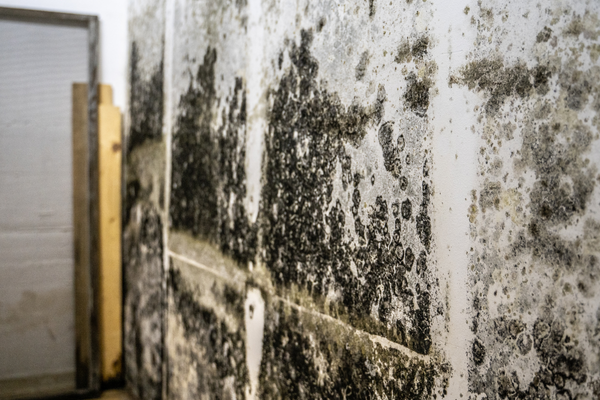
Visual signs of mold growth include black, green, or white fuzzy patches on surfaces. Mold often grows in corners, around windows, and on ceiling tiles. Water stains and discoloration might indicate mold growth behind walls or under flooring. Peeling paint or wallpaper sometimes reveals mold growth underneath.
Musty odors often indicate mold growth even when visible signs aren’t obvious. Mold produces volatile organic compounds that create distinctive smells. Air quality problems like increased allergies or respiratory symptoms might indicate hidden mold problems.
Health symptoms that might indicate mold presence include persistent coughing, sneezing, headaches, and fatigue. These symptoms often get worse when spending time in affected areas and improve when away from home. People with allergies or asthma might notice their symptoms getting worse at home.
Professional mold testing identifies types and concentrations of mold in homes. Air sampling measures mold spore levels in different rooms. Surface sampling identifies specific mold species growing on materials. Professional inspections find hidden mold problems that homeowners might miss.
Mold Remediation Tips
Small mold problems on hard surfaces can often be cleaned with soap and water or commercial mold cleaners. Porous materials like drywall, carpeting, and ceiling tiles usually need to be removed and replaced. Never mix bleach with ammonia or other cleaning products because this creates dangerous gases.
Professional mold remediation becomes necessary for large areas or toxic mold types. Fort mill mold removal requires special equipment and training to do safely. Containment barriers prevent mold spores from spreading to clean areas during removal work.
Post-remediation testing confirms that mold problems have been solved completely. Air samples taken after cleanup should show normal mold spore levels. Visual inspections check that all mold growth has been removed. Moisture levels should be controlled to prevent new mold growth.
The Interconnected Nature of These Damages
How Fire Leads to Water and Mold Issues
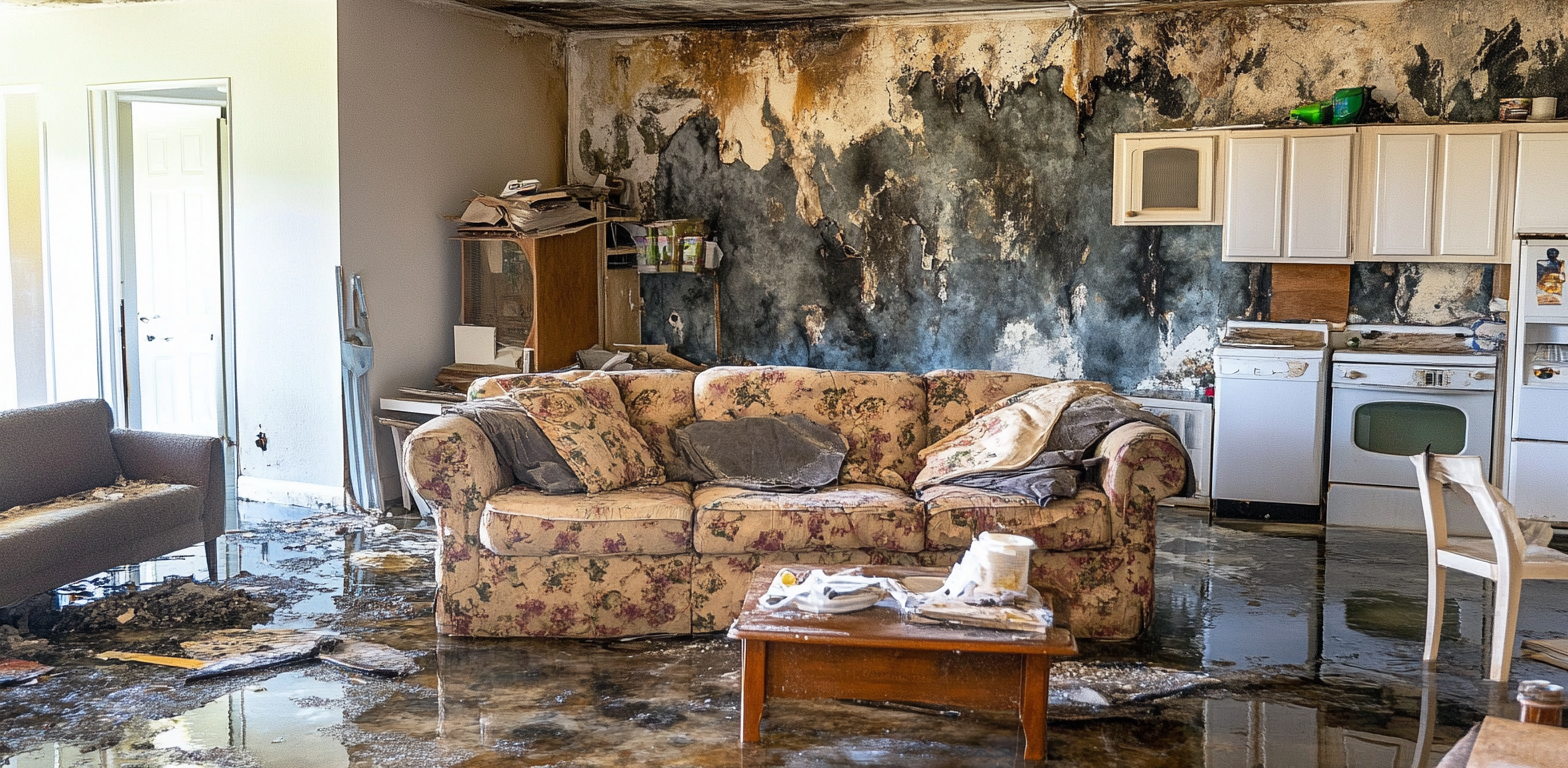
Firefighting water creates immediate problems that last long after flames are out. Fire departments use massive amounts of water that soaks into everything. This water carries soot and ash deep into porous materials where they’re hard to remove. Wet, contaminated materials provide perfect conditions for mold growth.
Compromised building envelopes after fires let weather into homes. Burned roofs, broken windows, and damaged siding can’t keep out rain and humidity. These openings let moisture into wall cavities and other hidden spaces where it causes ongoing problems.
Mold growth in fire-damaged structures happens fast because of all the moisture and disturbed materials. Fire damage creates lots of organic debris that feeds mold growth. High humidity from firefighting water speeds mold development. Black mold often grows on wet, fire-damaged wood and drywall.
Water Damage Creating Mold Problems
Mold development after water exposure follows predictable timelines. Mold spores start germinating within 24 to 48 hours of getting wet. Visible mold growth appears within 3 to 5 days under ideal conditions. Established mold colonies produce millions of spores that spread throughout homes.
Hidden moisture behind walls and under flooring often causes the worst mold problems. Water travels through building materials and gets trapped in places where air can’t dry it out. This hidden moisture supports mold growth for months or years without being discovered.
Long-term consequences of untreated water damage include structural damage, health problems, and decreased property values. Wood rot weakens structural components. Ongoing moisture problems create persistent mold issues. Properties with mold histories are harder to sell and worth less money.
Secondary Damage Prevention
Quick response importance can’t be overstated when dealing with fire, water, and mold damage. The first 24 hours determine whether problems stay manageable or become disasters. Professional response teams mobilize quickly to minimize damage and start restoration immediately.
Professional assessment benefits include accurate damage evaluation, proper equipment selection, and coordinated restoration approaches. Experienced technicians know which materials can be saved and which need replacement. They understand how different types of damage interact with each other.
Coordinated restoration approaches address all three types of damage simultaneously. Teams work together to remove water, clean smoke damage, and prevent mold growth. This coordination prevents delays that allow secondary damage to develop.
Long-Term Prevention and Maintenance
Regular Home Inspections
Annual safety system checks prevent many fires and water damage incidents. Test smoke and carbon monoxide detectors monthly. Have HVAC systems serviced yearly. Check electrical panels for signs of overheating or corrosion. Inspect plumbing fixtures and supply lines for leaks or damage.
Seasonal maintenance routines address problems before they cause damage. Clean gutters in spring and fall. Check roof shingles after storms. Service heating systems before cold weather. Test sump pumps before rainy seasons. Change air filters regularly to maintain good indoor air quality.
Professional inspection schedules provide expert evaluation of potential problems. Have electrical systems inspected every few years by licensed electricians. Plumbing systems need professional evaluation every 3-5 years. Roofing contractors should inspect roofs after major storms and every few years for general condition.
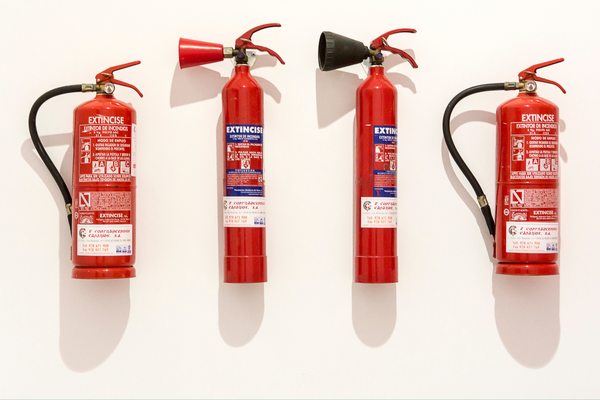
Early warning system maintenance keeps protective equipment working when needed. Replace smoke detector batteries twice yearly. Test fire extinguishers annually and replace them every 10 years. Check water leak detectors regularly and replace batteries as needed.
Emergency Preparedness Planning
Family emergency plans help everyone respond quickly and safely during disasters. Practice fire escape routes regularly. Assign responsibilities for shutting off utilities during emergencies. Establish meeting places and communication plans. Keep emergency supplies in easily accessible locations.
Disaster supply kits should include items needed for several days without utilities. Store water, non-perishable food, flashlights, batteries, and first aid supplies. Include important medications, cash, and emergency contact information. Update supplies regularly and check expiration dates.
Important document protection prevents loss of critical paperwork during disasters. Store copies of insurance policies, identification documents, and financial records in waterproof, fireproof containers. Keep digital copies in secure cloud storage. Make sure family members know where these documents are kept.
Communication plans during emergencies help families stay connected when phone systems might be disrupted. Establish out-of-area contact persons who can relay messages between family members. Program emergency numbers into cell phones. Consider two-way radios for local communication.
Home Improvements for Prevention
Upgrading electrical and plumbing systems reduces fire and water damage risks significantly. Replace old electrical panels with modern circuit breakers. Install GFCI outlets in wet areas. Upgrade old galvanized pipes with modern materials. Add whole-house surge protectors to prevent electrical damage.
Protective systems like sprinkler systems and leak detection provide automatic protection against disasters. Smart home technology can monitor systems and alert homeowners to problems immediately. Security systems with smoke and flood sensors provide 24-hour monitoring.
Landscaping for water management directs rainwater away from homes and reduces flooding risks. Grade soil to slope away from foundations. Install French drains in low-lying areas. Choose plants that absorb lots of water for areas with drainage problems. Avoid planting large trees too close to homes where roots might damage foundations.
Climate control improvements maintain proper humidity levels and air quality year-round. Install whole-house dehumidifiers in humid climates. Add ventilation systems that bring in fresh air. Use programmable thermostats that maintain consistent temperatures. These systems prevent conditions that promote mold growth.

Conclusion:
How can Fort Mill homeowners build the strongest defense against fire, water, and mold damage? The answer lies in combining prevention, preparation, and professional expertise.
Key Success Factors:
- Regular maintenance prevents 80% of preventable disasters
- Quick emergency response limits damage to manageable levels
- Professional restoration prevents secondary damage
- Ongoing monitoring catches problems early
Creating strong defenses against fire, water, and mold damage requires ongoing attention and professional support. Prevention strategies save money and protect families better than dealing with disasters after they happen. Regular maintenance and upgrades reduce risks significantly.
Why choose professional restoration over DIY approaches? Professional teams bring three critical advantages:
1. Specialized Equipment – Industrial-grade extraction, drying, and cleaning tools
2. Expert Knowledge – Understanding how different damage types interact
3. Speed – Quick response prevents small problems from becoming disasters
Quick response to any type of damage prevents small problems from becoming major disasters. Having emergency plans and knowing who to call makes the difference between manageable repairs and total losses. Professional restoration services coordinate multiple types of repairs and prevent secondary damage.
Professional restoration services bring expertise, equipment, and experience that most homeowners don’t have. Stonehaven Remodeling has helped Fort Mill families recover from disasters for over 20 years. Our teams understand how fire, water, and mold damage interact and know how to address all three problems together.
Creating a complete home protection plan involves regular maintenance, emergency preparedness, and knowing when to call for professional help. Fort Mill homeowners who take prevention seriously protect their investments and keep their families safe. Stonehaven Remodeling stands ready to help when disasters strike and prevention isn’t enough.
Don’t wait until disaster strikes to think about protection. Contact our experienced team today to discuss your home’s risks and learn about prevention strategies. We provide free consultations and can help you create a plan that protects your most important investment – your home.